
Powered, not replaced: How AI Is Improving Block Management Without Losing the Human Touch
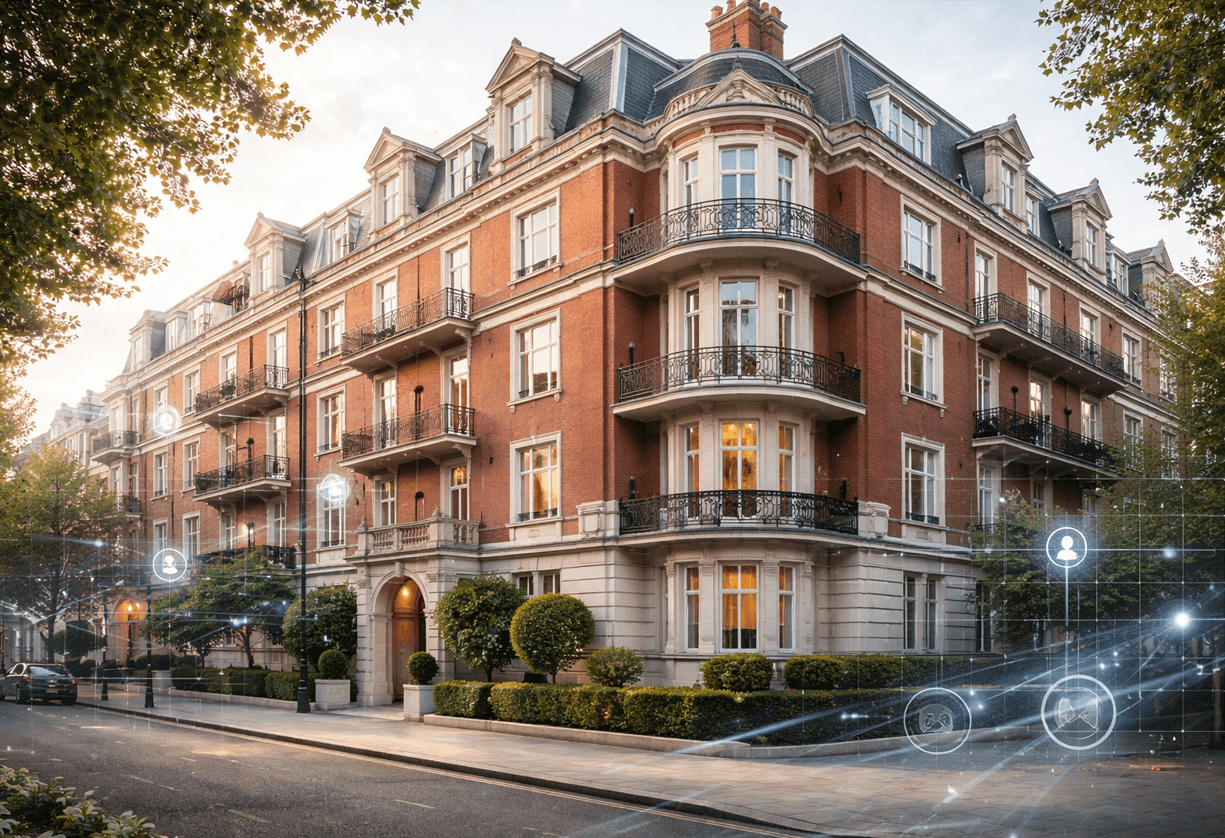
In conversations around block management in London, artificial intelligence is often presented as something bold, disruptive, and highly visible.
In reality, its most valuable role is far more subtle.
At its best, AI does not replace people. It supports them – helping experienced professionals make better decisions, respond more quickly, and stay ahead of issues before they escalate. For Resident Directors and freeholders who value calm, competent management, this distinction matters.
Less noise, more clarity
One of the most common frustrations in property management is not a lack of information, but too much of it – scattered across reports, emails, contractor updates, and compliance records.
Artificial intelligence works by bringing structure to that complexity.
Rather than relying on someone to manually review every data point, AI-assisted systems can highlight patterns that would otherwise take hours to spot. Recurring maintenance issues, unusual cost trends, or delays in contractor response times can be identified early, allowing managing agents to act before problems grow.
For Resident Directors, this often translates into clearer updates, fewer surprises, and decisions that feel supported by knowledge and evidence rather than assumptions or pressure.
Better organisation behind the scenes
In any well-run building, there is often more to do than time allows.
The difference between reactive and proactive management comes down to organisation — scheduling services and maintenance before failures occur, so that issues can be identified early and resolved before they become defects. Done well, this reduces the volume of reactive repairs and creates the breathing space needed to handle them properly when they do arise.
This is an area where AI is proving its worth.
By reviewing historical data, patterns of failure, and response timelines, systems can support property managers in building smarter maintenance schedules — flagging where a service interval may need tightening, or where a pattern of minor issues suggests a larger problem developing. The result is a more structured approach to building management, where less falls through the gaps.
It is not about removing judgement. It is about supporting it.
For clients of property management companies London, this results in smoother operations and a sense that the building is being looked after with foresight, not just reaction.
Sharper insight for long-term planning
Good estate management in London is not just about solving today’s problems. It is about protecting the long-term condition and value of the asset.
This requires careful planning – particularly when it comes to major works, lifecycle costs, and budgeting.
AI-supported analysis can help build a more complete picture over time. By reviewing historic spend, maintenance cycles, and building-specific trends, it becomes easier to anticipate future requirements with greater confidence.
For Resident Directors, this often means fewer unexpected costs and more structured, well-explained financial planning. For freeholders, it supports stewardship of the asset without unnecessary intervention.
Efficiency without losing the human touch
There is a natural concern that increased use of technology may lead to a more impersonal service.
In practice, the opposite is true – when applied correctly.
By reducing time spent on repetitive analysis and administrative tasks, property managers are able to focus more on what actually requires human judgement. Conversations with Resident Directors. Sensitive handling of resident concerns. Clear, balanced advice when decisions need to be made.
These are not areas where automation belongs.
They are areas where experience, communication, and professionalism matter most – and where leading residential property management companies in London continue to differentiate themselves.
A more measured approach to modern management
The property sector has never benefited from hype.
What clients value is consistency, clarity, and confidence that matters are being handled properly.
AI, when used well, supports exactly that. It sits in the background – improving reporting, strengthening oversight, and helping managing agents stay one step ahead.
It does not always need to be visible to be effective.
For clients of property management services in London, the outcome is simple: fewer surprises, faster responses, and decisions that feel considered rather than rushed.
An invisible upgrade, real results
For Resident Directors balancing responsibility with everyday life, and for freeholders overseeing valuable long-term assets, the priority is not innovation for its own sake.
It is confidence.
Confidence that the building is being managed properly. That issues are being identified early. That decisions are well-informed. And that communication remains clear and human at every stage.
That is where artificial intelligence belongs.
Not as a headline feature, but as a steady, reliable presence behind the scenes – supporting the kind of management that feels calm, capable, and quietly in control.
Talk to our experts today
If you are looking for a more measured, proactive approach to block and estate management in London, our team would be pleased to help.
Contact Olympus Management to discuss your building and how we can support you.

